Loading SayVeritas…
A Teacher Story
Those dreaded questions


I still hear those two questions in my head before a task even begins: “Does this count?” and “Will this be graded?”
For years, every answer felt costly. If I said yes, I created another stack to read, review, and mark. If I said no, many students heard that the work did not matter.
The tension was already heavy before AI. Now it is even harder to know when a polished response reflects real understanding and when it does not.
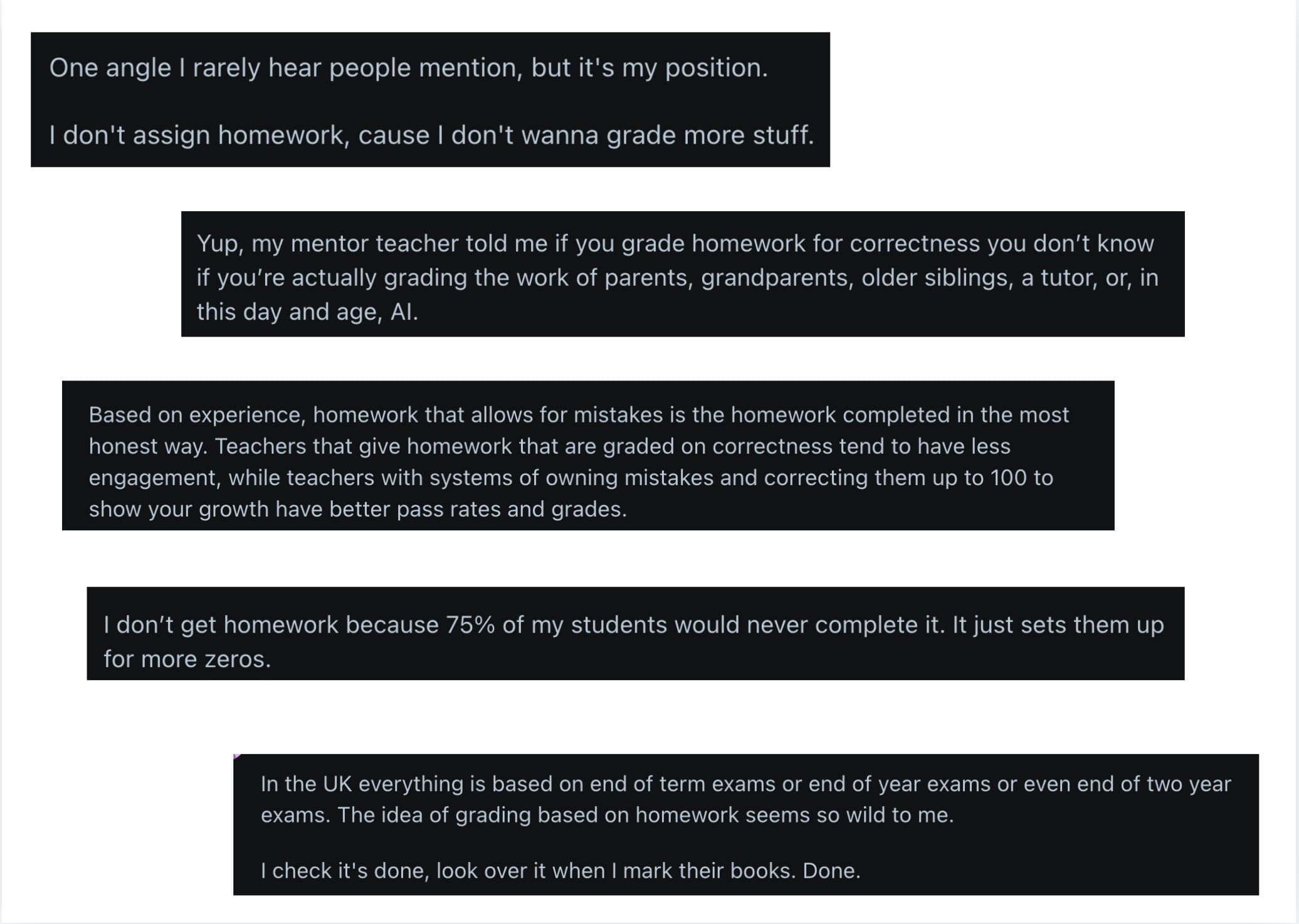
When teachers talk honestly about homework, we do not hear one opinion. We hear frustration from every direction.
Some teachers grade only completion. Some refuse to grade homework at all. Some assign less because they cannot trust who completed the work. Others keep assigning because students still need practice outside class.
Different policies, same reality: we are trying to protect learning without burning out on low-confidence marking.
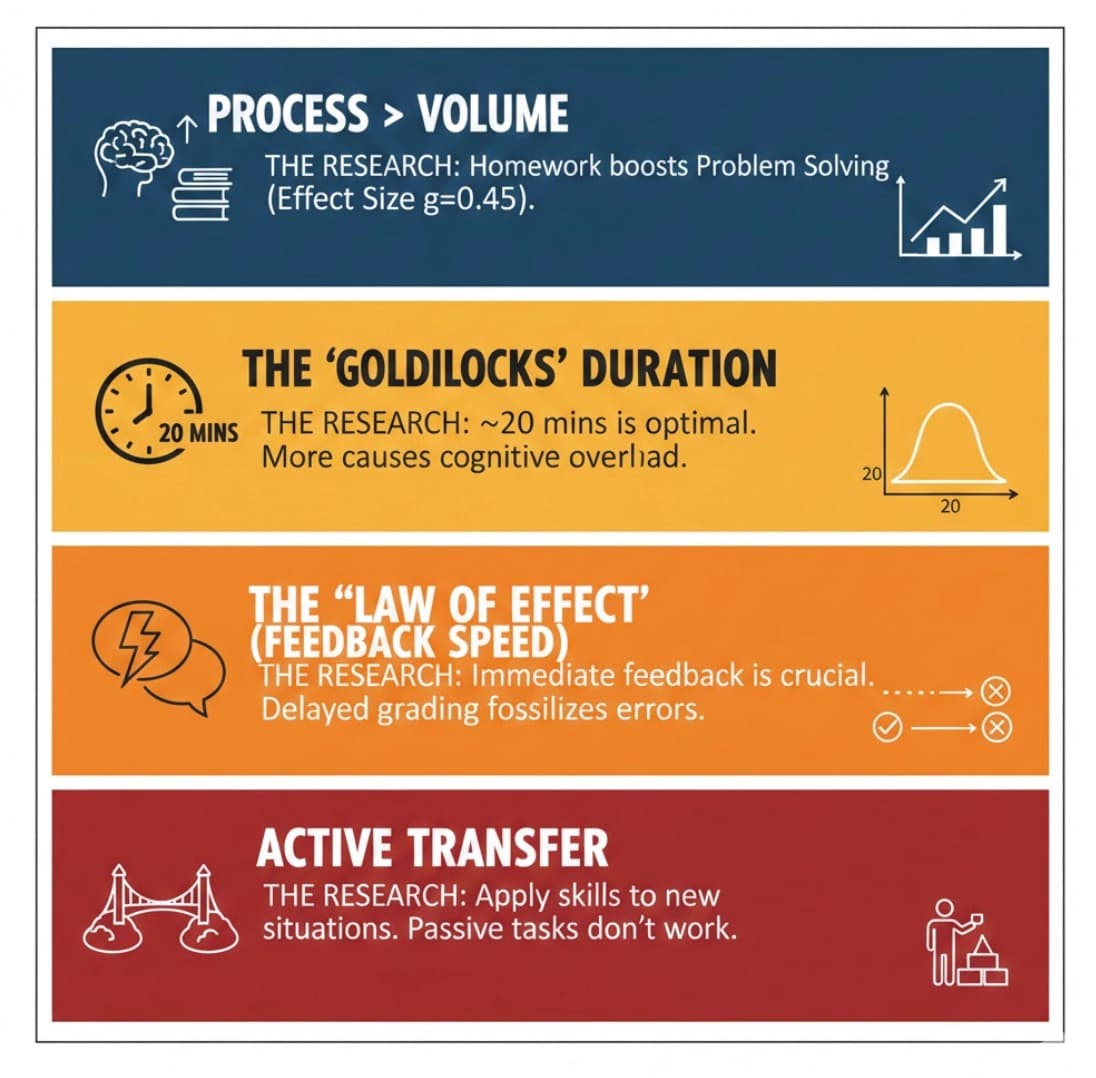
The research gave language to what many of us already feel in practice. Homework can improve outcomes, but only when it is focused and done with intent.
Guo et al. (2024), in The relationship between homework time and academic performance among K-12: A systematic review, found better academic performance with homework than without it. Evidence about the best duration was limited; this review did not evaluate SayVeritas.
That means the goal is not endless volume. The goal is short, meaningful work and feedback that arrives in time to change what happens next in class.
Read Guo et al. (2024)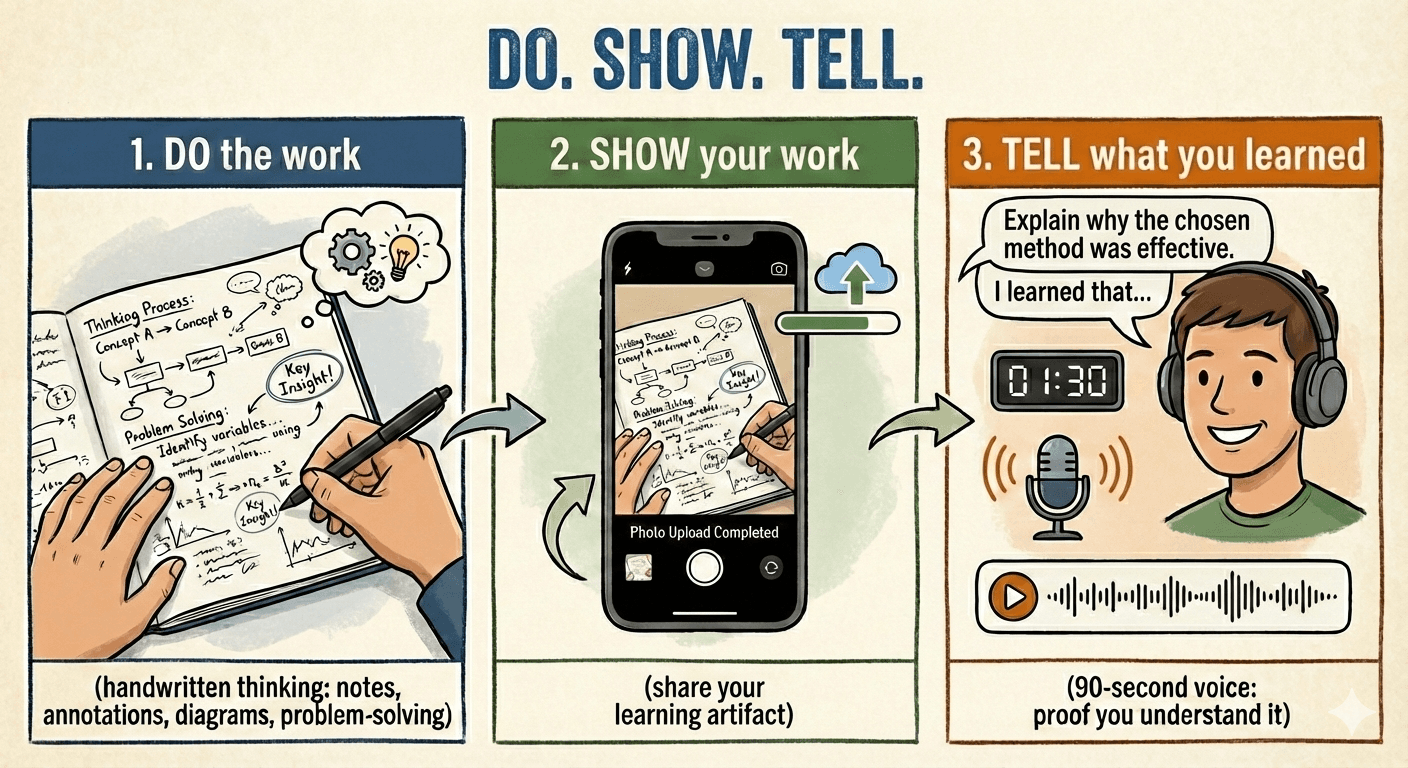
That is why I built StudyLab.
StudyLab is not a summative defense space. It is formative: student work is analyzed against learning objectives, and students move through a short Socratic conversation about what they understood, where they got stuck, and how they might improve.
It gives teachers a faster, clearer view of class understanding without pretending that automation should replace professional judgment.
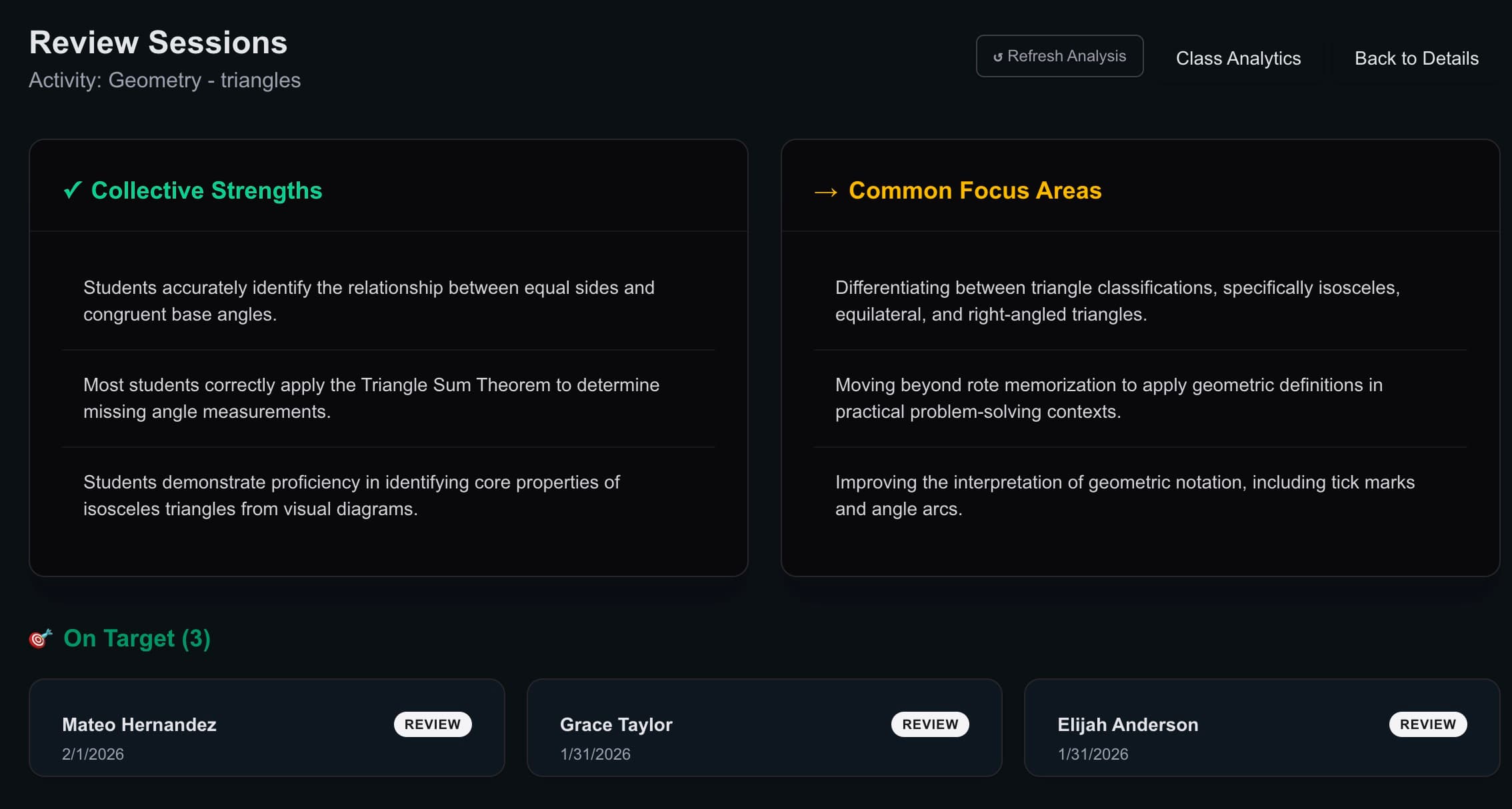
One benefit from implementing SayVeritas in your classroom could be: aise the status of homework again by making it useful for both student and teacher.
When homework becomes trustworthy formative evidence, students get clearer feedback, teachers get better next-step decisions, and class time is spent where it matters most.
If that is the version of Assessment for Learning you are trying to rebuild, this is exactly who StudyLab is for.
Are you ready to restore authenticity to your assessment program, gain insights into student learning and save time?
Click below to see how the platform can benefit your specific situation.